Last fall’s Asus ZenFone 4 Max was a mostly middle-of-the-road handset that managed to stand out with a beefy, 5,mAh battery that lasted well over 15 hours in testing.
Now, less than six months later, the company has returned with a half-step of sorts.

It’s not a phone in the upcoming ZenFone 5 line those devices will roll out between now and the summerbut an iteration of the ZenFone 4 Max called the ZenFone Max Plus.
This new model brings a modern, display and faster performance in a similar body. Curiously though, Asus shrank the battery.

Is the trade-off worth it? Asus’ ZenFone 4 series was seemingly designed to be as unrecognizable as possible, mixing a grab bag of generic cues found on other, similarly forgettable handsets.
Motorola moto m vs asus zenfone 4 max x10 price
The ZenFone Max Plus does very little to change that, though there is one key difference. The ZenFone Max Plus improves upon its predecessors with a 5.
These are subtle changes, but they’re welcome.
The Moto E4 Plus managed scores of only 1, and 6,, respectively. A good battery always provides consistent power but it also depends on the quality of device, processor, and design. Motorola moto m vs asus zenfone 4 max Bluetooth Type, Model Bluetooth is wireless communications technology for exchanging data between mobile phones, headsets, personal computers and other network devices over brief distances without wiring, Bluetooth technology was mostly designed to support simple wireless networking of personal consumer devices.
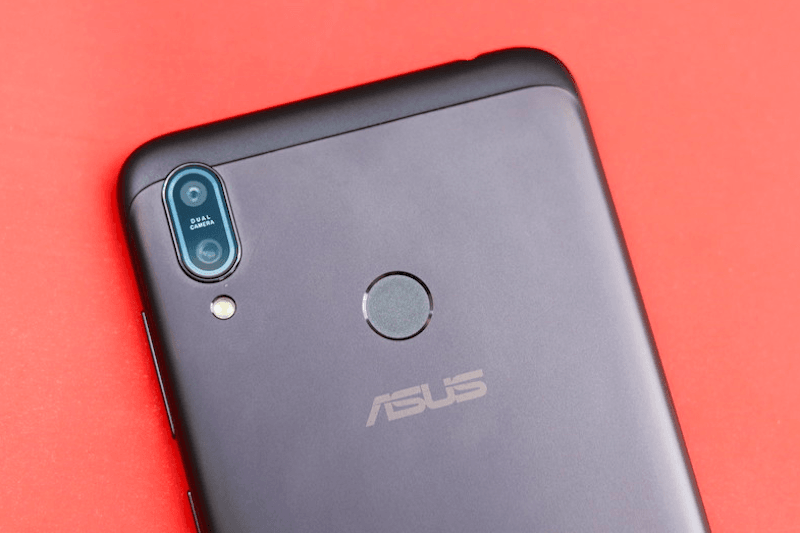
The wider screen means you get more real estate given the size of the chassis, and the narrower bezels put it all within fingers’ reach. The dual cameras are bisected by recessed chrome trim that returns from the ZenFone 4 Max Plus and looks old hat at this point.

Alas, this is still a budget smartphone that evokes other budget smartphones. Water resistance is again nowhere to be found, though at least the headphone jack remains.
There was nothing at all noteworthy about the p, 5. While it’s still an LCD panel, the size has been bumped up to 5. This was an area that desperately needed addressing from the last go-round, and we’re glad Asus tended to the issue.
However, that’s not to say the new ZenFone’s display is any more remarkable than competing LCD units. For one thing, it’s quite dim.
With a peak brightness of nits, the ZenFone Max Plus is outperformed by not only its predecessor, which achieved nits, but many other handsets as well.
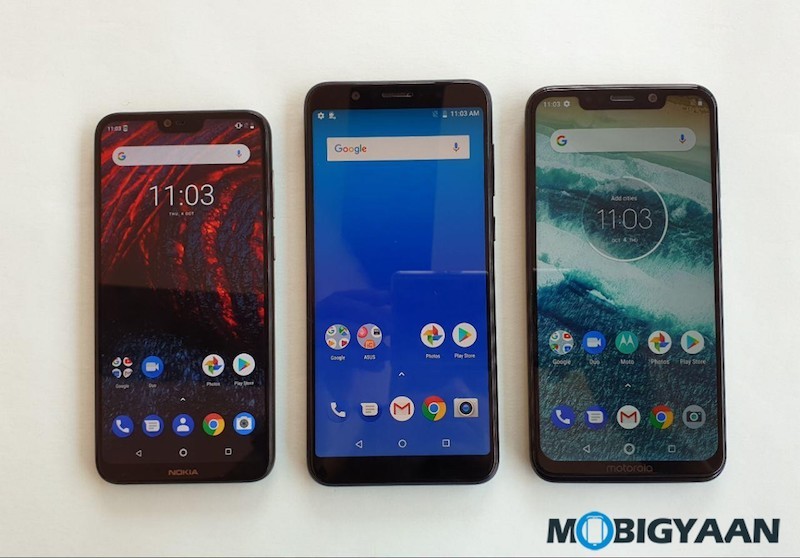
Motorola Moto E4 Plus vs ASUS Zenfone Max (M1): Specs Comparison
In terms of color gamut and reproduction, the ZenFone Max Plus fares a bit better. Our unit reproduced Numbers closer to zero are better.
Those results are par for the course at this price range, but because the ZenFone Max Plus doesn’t give users the option of alternate display profiles, you won’t be able to tune the experience to suit your preference.
Above the display is another 8MP lens for selfies. Starting outside New York’s Penn Station in the misty, early hours of the morning, the ZenFone Max Plus derived robust color from the scene with a slightly warmer white balance than the Honor 7X delivered.
However, the ZenFone’s HDR mode was finicky and frustrating to shoot with; the multiple exposures taken in quick succession made the ZenFone’s camera very susceptible to blurring.
The Honor 7X delivered a sharper and brighter exposure by comparison. Next, I ventured to Bryant Park, where I captured a few images of flowers that again illustrated a clear advantage in favor of Honor’s budget handset.
The shot from the ZenFone is dim and a bit hazy when you zoom in. The toned-down shades of lavender in the petals are probably more realistic, but then again, Asus’ camera failed to convey texture and depth the same way Honor’s could.
19.01.2020 – Yes, the screen is larger and the bezels are smaller, but everyone’s doing that nowadays. Both smartphones have fluid interfaces, but the offering from Asus does feel slightly snappier. With a peak brightness of nits, the ZenFone Max Plus is outperformed by not only its predecessor, which achieved nits, but many other handsets as well. Plain and simple, it was excessive compared to the totally serviceable, natural portrait courtesy of the Honor 7X.
Because neither device has a telephoto lens, the perspectives were very drawn out. The bokeh effect out of the ZenFone was significantly more pronounced than on the Honor 7X.
It was so strong, and blurred so much of the frame aside from Caitlin’s face, that it ended up looking like a photo of a miniature model, or a macro shot with the tilt-shift effect you get when shooting really small objects.
Plain and simple, it was excessive compared to the totally serviceable, natural portrait courtesy of the Honor 7X.
A pair of selfies rounds out the comparison.
For video shooting, ZenFone 4 employs electronic image stabilization EIS that uses smart software algorithms to detect shakes and sharp movement along three axes and automatically apply compensation to ensure smooth and steady videos. Asus Mobile Phones Price List in India When I watched the trailer for Blade Runner , the panel exhibited a slightly cool tint and was a little washed-out overall.
Interestingly, the Honor 7X makes it look like the sun was out when I snapped the photo, with its warmer tones and brighter exposure.
I’d go so far as to say the ZenFone’s rendition is more realistic and crisper as you zoom in; then again, when it comes to selfies, realism tends to take a back seat to whatever makes you look better, and Asus’ handset didn’t do that here.
Released in and manufactured on a nanometer process, it can’t match the power or efficiency of Qualcomm’s newer nm series chipsets or the equivalent Kirin featured in the Honor 7X.
Unfortunately, that puts Asus’ phone at a sizeable disadvantage. The newer ZenFone delivered a Geekbench 4 score of 2, meaning it’s virtually the same as the outgoing model in overall performance.
The trouble with Asus’ proposal is that you get so much more from competing products. There were fairly common occasions when the ZenFone Max Plus didn’t feel as snappy as it should have, like when thumbing between tabs in Chrome or even returning to the home screen from the Settings menu.
Sometimes, it’s a matter of choppy animations; other times, the phone sits motionless for a half-second before following through on your commands.
While the downsizing betrays the “Max” brand, this screen is still pretty generously sized in the grand scheme of things — which makes it all the more confusing why the Max Plus lasted nearly 4 hours less than its predecessor in our testing.

For perspective, the ZenFone 4 Max delivered 15 hours and 19 minutes of battery life. The Galaxy S9 has only a 3,mAh battery, and that phone achieved 11 hours on the dot.
Testing the Max Plus again didn’t help things, as it mustered only 10 hours and 17 minutes the second time around.
Motorola moto m vs asus zenfone 4 max lymphoma dogs
Aside from the physical size of the battery, two factors could explain the Max Plus’ surprising performance. First and foremost is the MediaTek chipset, which is older and not as renowned for its efficiency as Qualcomm’s series silicon.
Additionally, it’s critical to remember that the new ZenFone also has a bigger, higher-resolution screen than the previous ZenFone 4 Max, which is obviously going to put more of a strain on the battery.
Disappointing longevity aside, Asus has baked a lot of functionality into the ZenFone Max Plus’ battery.
Motorola moto m vs asus zenfone 4 max mobile
There’s a reverse-charging mode, as well as the ability to prolong the health of the pack with a setting in the included Power Master app.
The Double Battery Lifespan feature is designed to prevent the battery from degrading as quickly, at the expense of less usage time per charge. It’s difficult to judge the long-term effectiveness of this system in our short time with the phone, but given this device’s relatively underwhelming battery life to begin with, it’s something I would think twice about before turning on.

Although Asus has made good on its promise to deliver Android 8. That’s going to disappoint some Android purists.
Not only does ZenUI look very different from the stock experience, but it doesn’t add a great deal of value either. Sure, you get Asus’ Mobile Manager app, which provides a one-stop shop to various device-maintenance controls, like the aforementioned battery-saving modes and a system scan that can help identify ways to improve device performance.
But many Android phones these days come with similar features, and if they weren’t there, you wouldn’t be any worse for wear.
The new ZenFone’s interface is cluttered, too.
Its software package is clean and fluid, and the battery life is solid. ZenFone 4 Max comes with a 13MP PixelMaster rear camera to capture beautiful, high-resolution photos with zero shutter lag. Motorola moto m vs asus zenfone 4 max Express yourself with 8 camera modes. Wi-Fi Standards Supported Wi-Fi is a popular wireless networking technology which provides wireless data connection between various device using radio waves it uses the IEEE
ZenUI commits that cardinal sin of so many manufacturer skins, putting forth an overwhelming number of quick toggles in the notification shade for things that either don’t belong there like multiwindow mode or that you probably won’t use very often like sharing location reports over email and SMS.
To make matters worse, settings often aren’t stowed away where you’d expect to find them.

I overturned seemingly every rock to try and find a way to turn on some form of quick-launch gesture for the camera, only to locate it in a sub-menu titled Asus Customized Settings — whatever that means.
As similar as many phones look and feel these days, there’s typically one quality you can point to that a handset does particularly well, that differentiates it from its competitors.
Asus made its long-lasting budget proposition much prettier, but destroyed the phone’s greatest asset.
Moto E5 Plus vs RealMe 1 vs Asus ZenFone Max Pro M1 Specs Comparison
The ZenFone 4 Max was remarkable for its battery life, but with that diminished, there’s no other reason to consider the Max Plus.
Yes, the screen is larger and the bezels are smaller, but everyone’s doing that nowadays.

The camera hasn’t been appreciably improved, and the performance has actually taken a step back in a few respects. The software is still outdated and both functionally and aesthetically inferior to stock Android.
Yet, despite all these faults, this phone is more expensive than the model it was designed to iterate upon. That makes the choice pretty clear.
The ZenFone Max Plus is the right phone for literally no one. Tom’s Guide. CES Video.

Home Reviews. For Improved design.
 Asus Mobile Phones Price List in India